
Tips for Better Communication During the Holidays The holidays are a special time of year; visiting family, hosting parties, and being surrounded by the ones you love. You don’t want to miss a moment but communicating in loud settings with many people can be challenging, especially for those with hearing loss. Try following these tips at your next get-together to ensure everyone feels comfortable and included in the conversation this holiday season Tips for Those with Hearing Loss Face the speaker directly. Facial cues can greatly help understanding when there is background noise. Be sure to face the speaker directly in a well-lit area. Ask for information to be repeated. If you didn’t hear what was said the first time, don’t be afraid to ask the speaker to repeat themselves. Move to a quieter room. Try to find a spot away from music, the TV, or other background noise for conversations. Sit at a good spot. When sitting at the dinner table, try to place yourself in a spot where you can see everyone’s faces. Wear your hearing aids. If you have hearing aids , wear them! They will make it much easier to hear and understand. Tips for Family and Friends Speak clearly. When speaking, say your words clearly. Don’t mumble or talk too fast as this can make it harder for someone with hearing loss to understand. Face who you are speaking to. If you are having a conversation with someone, be sure to face them directly. Those with hearing loss understand better when they can see your face. Turn down the volume. If there is a lot of background noise around and you notice someone struggling then turn the volume down on the TV or turn the music down. Rephrase what you said. If someone asks you to repeat what you said, try rephrasing it in another way. Hear Better for the Holidays You deserve to hear your best. If it’s been a while since you’ve last had your hearing tested or your hearing aids service , contact Labyrinth Audiology today! We can check your hearing aids, test your hearing, and help you hear your best this holiday season. Schedule your appointment in Boca Raton today!
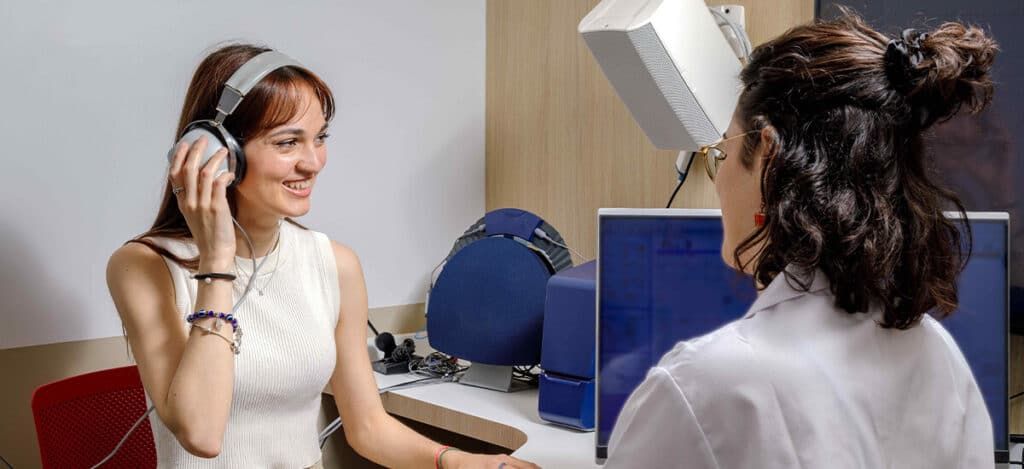
Hearing loss is rising among young adults. Schedule a hearing test today and explore modern, discreet hearing aid options near you.

How Healthy Hearing Supports Aging and What You Should Do As much as we may try to prevent it, aging is a natural effect of living a long life. A part of aging that many people experience is a decrease in hearing ability. While some types of hearing loss can be prevented, sometimes it’s hereditary to experience hearing loss later in life. How is Hearing Connected to Aging? As we age, it’s normal for the hair cells in the inner ear (which are responsible for sending sound signals to the brain) to naturally deteriorate. If hearing loss runs in your family, then this is typically predetermined, however, it can also occur due to a history of repeated noise exposure. Individuals over the age of 60 are more likely to experience a decrease in hearing ability. In fact, one in three people over the age of 60 has hearing loss and one in two people older than 85 have hearing loss. How to Support Healthy Hearing as You Age If you are under the age of 60, there are some precautions you can still take to ensure your hearing remains healthy for many more years to come. The most important preventative measure you can take is to limit your exposure to loud sounds and to wear hearing protection when you cannot avoid noise levels over 85 decibels. For those over the age of 60, you should still wear hearing protection and limit loud noise exposure. If you already have hearing loss, it’s important to wear hearing aids to maintain your brain health and speech recognition. Have Your Hearing Examined One of the best ways to practice healthy hearing and aging is to have your hearing tested! A hearing screening will catch any changes in your hearing ability early. Using a management option like hearing aids will ensure you can still hear sounds and don’t experience a decline in your cognitive abilities. The hearing professionals at Labyrinth Audiology can help you! We offer expert hearing services for the people of Boca Raton, Delray Beach, and the surrounding areas. Age gracefully and with better hearing by contacting us today for an appointment.
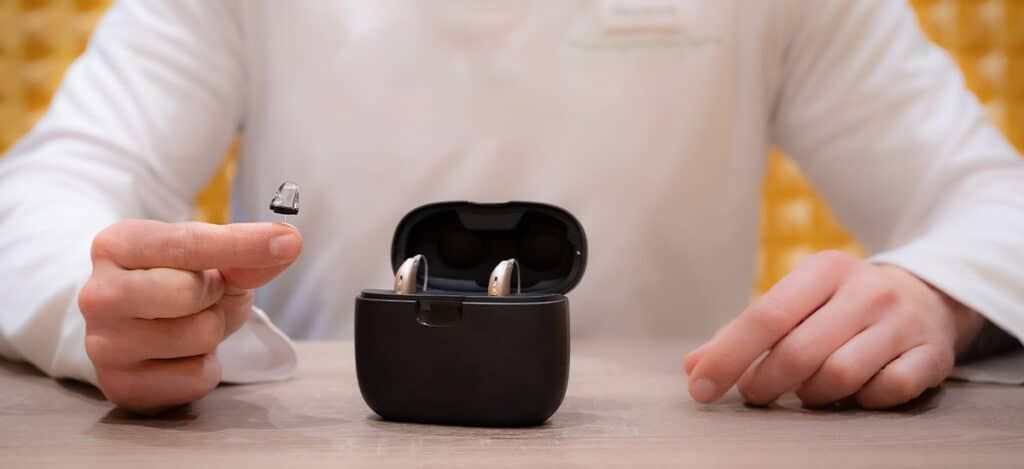
Compare invisible and discreet hearing aids. Learn the pros, cons, and find the right style for your needs. Book your hearing consultation today.
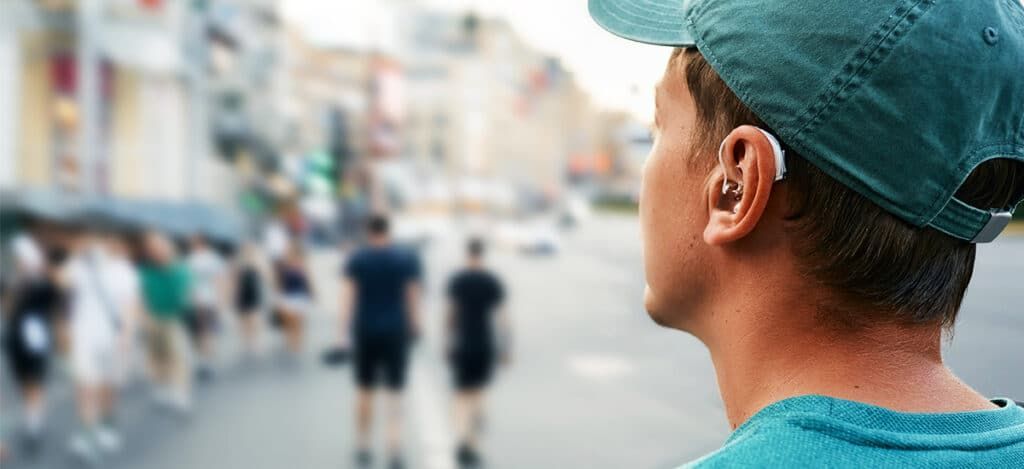
From first fitting to full comfort, see what to expect with new hearing aids. Stay on track with expert care—schedule your appointment today.

Men face a higher risk of hearing loss. Learn why—and how early care can protect your health. Book a hearing test with us today.

Celebrate National Speech-Language-Hearing Month by practicing active listening, empathy, and hearing care. Learn how better hearing supports better connections.

Love coffee? Discover how caffeine consumption affects hearing, blood flow, and tinnitus. Learn more from the experts at Labyrinth Audiology.

Some common medications, including pain relievers and chemotherapy drugs, can impact your hearing. Discover the risks and steps to safeguard your hearing today.

Apple’s AirPods Pro offer hearing assistance, but do they measure up to hearing aids? Discover the pros, cons, and why personalized solutions might be better.