Learning Corner

With Professor Danesh and Colleagues

Labyrinth Audiology

Our Work and Research

In this page you will see a summary of our work and research followed by an AI generated audio interview and narrative on every topic presented here. We hope you find this section helpful and please call or text us at 561-807-7873 or email us at info@labyrinthaudiology.com if you have a question or need an appointment.

1. Professor Dr. Ali A. Danesh, Curriculum Vitae


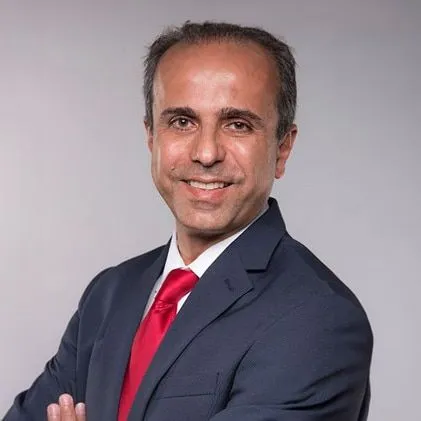
The provided text is the curriculum vitae of Dr. Ali A. Danesh, a Professor of Communication Sciences and Disorders at Florida Atlantic University and a consultant at Labyrinth Audiology in Boca Raton, Florida. This detailed document outlines his extensive academic background, including his Ph.D. in Audiology, as well as his numerous publications in peer-reviewed journals and conference proceedings, focusing significantly on topics like tinnitus, hyperacusis, misophonia, and auditory issues in autism spectrum disorders. The CV also highlights Dr. Danesh’s teaching experience, administrative roles, professional affiliations, editorial board memberships, research grants, presentations, service activities, licensure, awards, and completed dissertations and theses he has supervised, illustrating his broad and impactful career in audiology research and education.
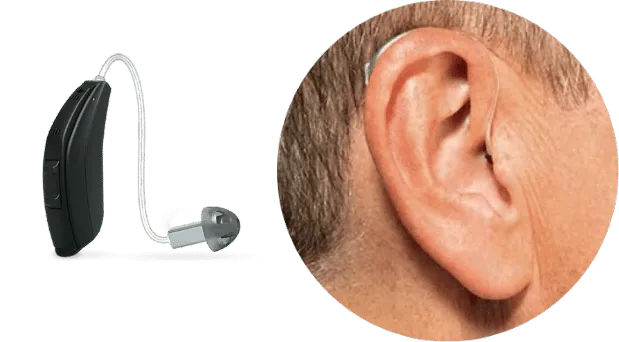
2. Professor Danesh on Hearing Aids 


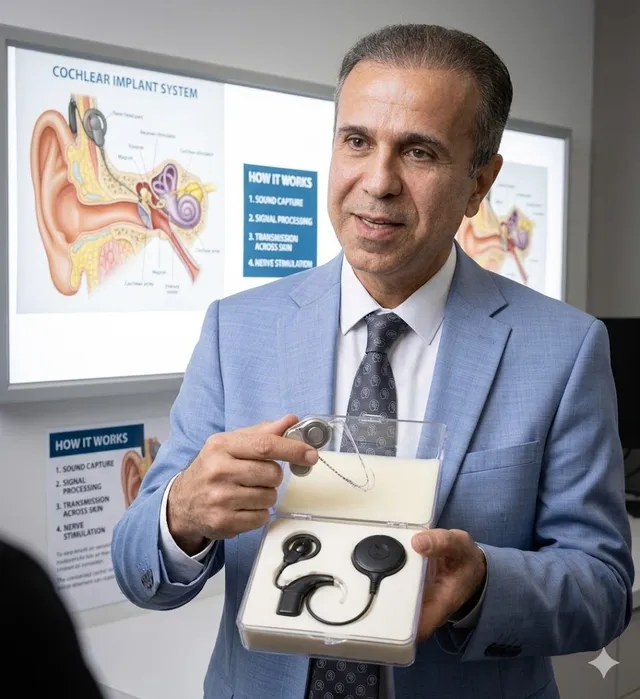
The provided text from Professor Danesh and health information websites comprehensively covers hearing aids, beginning with the components and controls of these devices. It traces the history and various styles of hearing aids, including modern digital and implantable options, alongside their underlying technology and circuits. The text also explains the process of selecting and fitting hearing aids, discusses realistic expectations for their use, and touches upon challenges in successful fittings and methods of verification. Finally, it briefly mentions audiologic recommendations and the significance of binaural hearing.

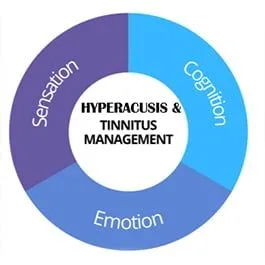
3. Professor Danesh explains the tinnitus management and intervention program and his research by addressing the factors of Sensation, Emotion, and Cognition (SEC Model)


Tinnitus: Sensation, Emotion, Cognition Model for Management


Professor Danesh proposes an audiological management protocol for tinnitus, hyperacusis and misophonia that addresses three key areas: sensation, emotion, and cognition (SEC). The “sensation” level uses sound therapy or bimodal electrical stimulation to reduce the perception of the piercing sound of tinnitus. The “emotion” level uses methods for reducing the emotional reaction to tinnitus and managing the autonomic nervous system response. The “cognition” level employs cognitive behavioral therapy (CBT) and internet-based CBT (iCBT) to address negative thoughts associated with tinnitus. Research suggests that integrating sound generators, counseling, and iCBT can effectively reduce the impact of tinnitus, and that iCBT can also decrease the impact of anxiety and depression. Past research has explored links between parental mental health, childhood experiences, and the severity of tinnitus, hyperacusis and misophonia.

4. Guided iCBT for Tinnitus: Addressing Sensation, Emotion, and Cognition A New Research from Professor Danesh and his team 


Researchers investigated a structured tinnitus intervention program that addresses the factors of Sensation, Emotion, and Cognition (SEC). The study focuses on individuals experiencing tinnitus and seeks to manage the condition through sound therapy, counseling, and guided internet-based Cognitive Behavioral Therapy (iCBT). Building on previous research using unguided iCBT, this study introduces clinician-guided iCBT to enhance engagement and coping strategies. Preliminary results indicate improvements in tinnitus-related distress, with participants showing enhanced ability to manage their condition and reduced emotional distress. The data supports the effectiveness of this approach, which addresses the perceptual, emotional, and cognitive dimensions of tinnitus. Future research will refine treatment by exploring different sound generators, patient preferences, and long-term sustainability.

5. Misophonia: Mysteries, Management, and Neurobiological Insights (Explianed by Professor Ali Danesh)

Misophonia is a decreased sound tolerance disorder characterized by strong emotional and physiological reactions to specific sounds, particularly those repetitive and human-produced. The condition is not about the loudness of the sound, but rather the content, and often triggers feelings like anger, anxiety, and disgust. Research explores the neurobiological underpinnings of misophonia, identifying key brain regions like the insular cortex and amygdala and suggests that motor responses also play a significant role. Studies indicate misophonia can significantly impact quality of life, leading to avoidance behaviors, social isolation, and even self-harm, and commonly co-occurs with other psychiatric disorders. Assessment involves case history, questionnaires, and audiologic testing, while management strategies include sound therapy, counseling, cognitive behavioral therapy, and relaxation techniques. The information also calls for greater awareness among academics and personalized treatment plans.

6. Hyperacusis: Underlying Pathophysiology and Management Professor Danesh Explains it All!


The provided text is primarily from a presentation by Professor Danesh outlining the underlying pathophysiology, definitions, and management of hyperacusis, a decreased sound tolerance disorder. It discusses neurological, peripheral, and central causes of the condition, along with associated pathological conditions and comorbidities such as tinnitus, autism spectrum disorder, and psychological issues like anxiety and depression. The presentation also covers various methods for evaluating hyperacusis, including loudness discomfort levels and questionnaires. Finally, it explores different treatment approaches, encompassing psychological therapies like CBT, sound therapy techniques, and mentions limited research into medical and surgical interventions.

7. Bimodal Stimulation for Tinnitus: Mechanisms and Efficacy and Intro to Lenire


(Dr. Danesh Explains How Bimodal Stimulation works?)


The primary source is a presentation by Dr. Ali A. Danesh, an audiology professor, outlining the use of bimodal auditory and electrical stimulation for tinnitus treatment. It defines tinnitus and bimodal neuromodulation, contrasting it with unimodal approaches and highlighting the need for effective treatments. The presentation reviews various methods of electrical stimulation and discusses both invasive and non-invasive neuromodulatory interventions. Furthermore, it references studies, including one on Lenire, showing the potential of auditory-somatosensory stimulation in reducing tinnitus loudness and distress in both animal models and human subjects.

8. Hidden Secrets of the Human Ear, Dr. Ali Danesh makes it easy


The provided material from Dr. Danesh’s presentation, along with supplementary web links and a radiology article, comprehensively outlines the anatomy and function of the human ear, spanning from the outer ear’s self-cleaning mechanisms to the brain’s auditory processing. It details the delicate structures of the middle and inner ear, emphasizing the significance of components like the tympanic membrane, ossicles, and hair cells. Various conditions and pathologies affecting the ear are described, including perforations, infections like otitis externa, congenital abnormalities such as atresia and microtia, and neurological issues like facial paralysis and acoustic neuroma. Clinical aspects such as otoscopy, family and medical history in diagnosis, and potential treatments including surgery and hearing aids are also touched upon. Essentially, the collection offers an overview of the ear’s normal state, potential problems, and related medical considerations.

9. The Genetics of Tinnitus: Unraveling the Phantom Sound 


(Report By Professor Danesh on The Genetics of Tinnitus and our current knowledge)


The provided sources collectively explore the genetic underpinnings of tinnitus, a phantom auditory perception. They discuss various research approaches, including twin studies highlighting heritability, candidate gene studies investigating specific gene associations, and genome-wide association studies (GWAS) identifying broader genetic links and shared susceptibilities with neuropsychiatric conditions. The texts also examine molecular mechanisms involving oxidative stress and inflammation, the influence of gene-environment interactions, and the heterogeneity of tinnitus, emphasizing the need for large-scale studies and precise classification to advance diagnosis and treatment. Furthermore, the sources touch upon epigenetic factors like DNA methylation and the potential role of biomarkers and the serotonergic system in understanding this complex condition.

10. Decreased Sound Tolerance in Children: Hyperacusis and Misophonia


(Professor Danesh explains the decreased sound tolerance disorders in children)


The provided podcast from Professor Danesh explores decreased sound tolerance (DST) in children, specifically focusing on hyperacusis (increased sensitivity to sound loudness) and misophonia (strong negative reactions to specific sounds). Research into the prevalence, causes, and impact of these conditions, including their frequent co-occurrence with autism spectrum disorder (ASD), ADHD, and mental health challenges, is examined. The sources also discuss the difficulties in assessing and diagnosing DST in children due to a lack of child-specific tools and review various management and treatment approaches, highlighting the need for further research to develop effective interventions. Finally, a proposal for MDMA-assisted therapy for misophonia is introduced as a potential future treatment avenue.

11. Hearing Hair Cell Regeneration: Mechanisms and Therapies 


(Based on a lecture by Professor Ali Danesh)


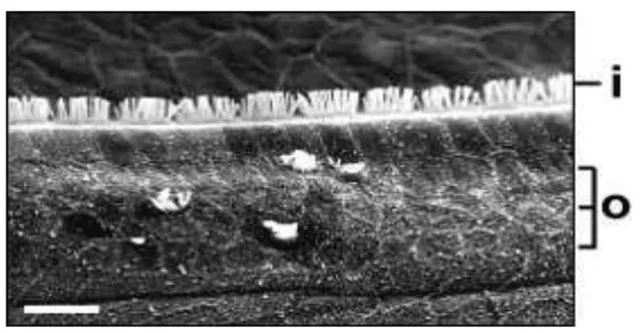
The provided lecture outlines, website excerpts, and research findings collectively discuss the anatomy and physiology of the human ear, specifically focusing on hearing hair cells within the cochlea and the mechanisms of hearing. The sources explore the causes and statistics of hearing loss, including noise exposure, genetics, and ototoxic medications, and differentiate between types of hearing loss. A significant portion addresses hair cell regeneration, examining its occurrence in animal models like birds and the limited capacity in mammals. Finally, the materials investigate potential treatments such as gene therapy targeting genes like Atoh1 and drug therapies inhibiting the Notch pathway to stimulate hair cell regrowth.

12. Understanding Vertigo and Balance Disorders by Professor Ali Danesh 


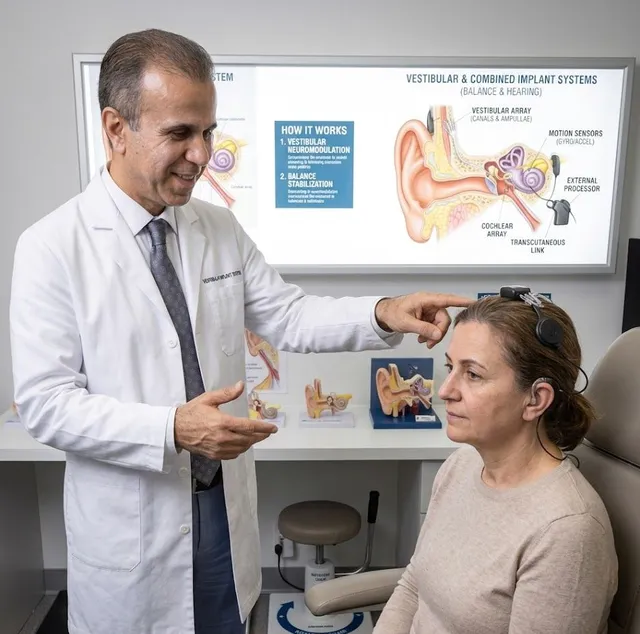
This document, presented by Dr. Ali Danesh of Labyrinth Audiology, provides an overview of vertigo and balance disorders. It explains how our eyes, ears, muscles, joints, and brain contribute to balance, with a particular emphasis on the vestibular system. The text defines vertigo and balance disorders, discusses their impact on the elderly, and outlines the mechanisms of balance. Furthermore, it details causes, symptoms, and types of balance issues, along with diagnostic tests like VNG and potential treatments, including vestibular rehabilitation and fall prevention strategies.

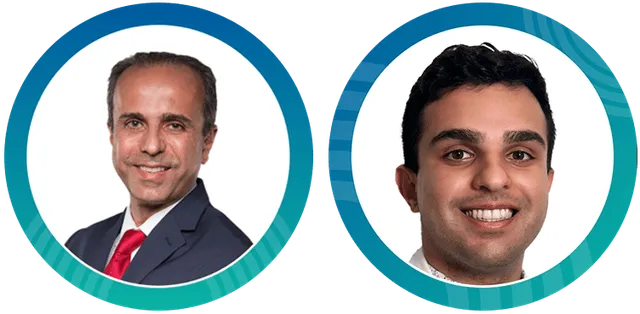
13. Tinnitus Management: Approaches and Clinical Integration a lecture prepared by Dr. Ali Danesh and Dr. Farzon Danesh at Labyrinth Audiology


This lecture by Professor Ali Danesh and Dr. Farzon Danesh, who are experts in tinnitus, provides an overview of general approaches to tinnitus management, tracing its historical recognition and defining key terminology like tinnitus and somatosound. It highlights common misconceptions about treatment and outlines essential components of clinical management, including evaluation, various treatment categories such as sound therapy and psychological approaches like CBT, and considerations for hearing loss. The lecture also touches upon recent research on factors influencing coping with tinnitus and emphasizes the audiologist’s role in providing effective consultation and management for this prevalent condition.

14. Genetics of Hearing Loss Explained by Professor Ali Danesh


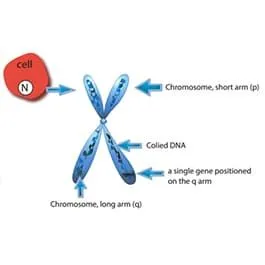
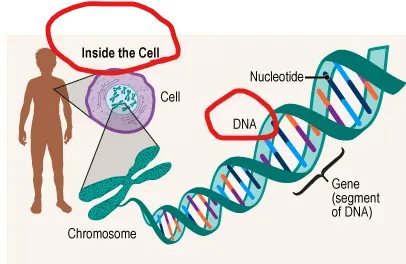
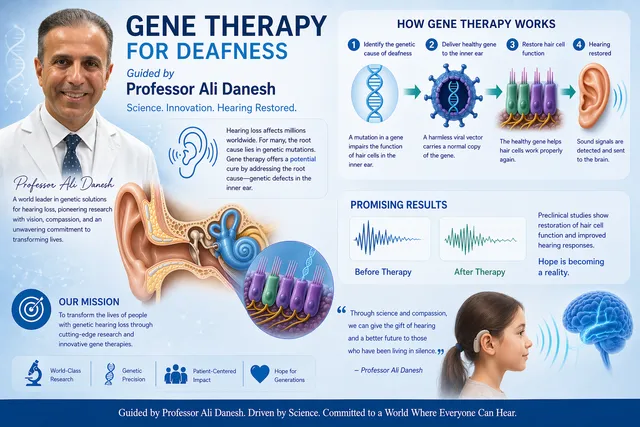
This document from Professor Danesh of Labyrinth Audiology and Florida Atlantic University provides a detailed overview of the genetics of hearing loss. It begins with a history of genetics and then discusses chromosome structure and abnormalities, followed by classifications of hearing disorders based on inheritance patterns. The text extensively covers specific genes and loci associated with both non-syndromic and syndromic hearing loss, including their functions and related conditions like Usher and Pendred syndromes. Finally, the document touches upon molecular testing for hearing loss and the emerging field of gene therapy as a potential treatment.

15. Managing Hyperacusis: The approach using the concepts of Sensation, Emotion, and Cognition by Professor Dr. Ali Danesh


The provided text is primarily from a presentation by Dr. Ali A. Danesh, an audiologist and professor, outlining the multifaceted nature and management of hyperacusis, a condition characterized by increased sound sensitivity. The presentation defines hyperacusis, discusses its prevalence in various populations and associated conditions, and explores proposed subtypes and neural mechanisms, including its distinction from loudness recruitment. It also covers assessment methods, such as questionnaires and loudness discomfort level measurements, while acknowledging the current lack of objective diagnostic tools. Furthermore, the material details various management strategies, including medical, surgical, psychological (like CBT), and audiological approaches such as sound therapy and patient education, emphasizing a holistic approach addressing sensation, emotion, and cognition. The inclusion of external links and references suggests a compilation of research and clinical insights into hyperacusis.

16. Auditory Processing Disorders: Diagnosis and Treatment Explained from the work of Dr. Ali Danesh and his current and former auditory processing specialists Dr. Rebecca Anderson and Dr. Harlee Atkins


This document, authored primarily by Dr. Ali Danesh and colleagues, provides a comprehensive overview of Auditory Processing Disorders (APDs), explaining how the ear and brain work together in listening. It defines APDs as deficits in processing auditory information in the central nervous system, distinguishing them from hearing loss and language processing disorders. The text explores the redundant auditory system, its anatomy, and how sound is processed, also covering factors like maturation and potential impairments. Finally, it discusses diagnosis and management strategies for APDs, including environmental modifications, compensatory techniques, and direct remediation approaches, emphasizing the roles of audiologists and speech-language pathologists.

17. Professor Ali Danesh describes Etiology, Evaluation, and Audiologic Management of Hyperacusis.


This section provides an extensive academic overview of hyperacusis by Professor Ali Danesh. Please make sure to watch and listen to the corresponding audio and video files below. Hyperacusis is defined as a decreased sound tolerance disorder characterized by the perception of everyday sounds as overwhelmingly loud, often accompanied by subtypes of pain, fear, or annoyance. The pathology is complex, theorizing that the condition results from enhanced central auditory gain and, in cases of severe pain hyperacusis (noxacusis), involves non-auditory systems like the trigeminal nerve and nociceptive pathways. The text highlights a high rate of co-occurrence with conditions such as tinnitus and Autism Spectrum Disorder, stressing the critical psychological impact that necessitates screening for suicidal ideation. While there is currently no objective diagnostic tool, assessment relies on extensive history, various validated questionnaires, and measuring Loudness Discomfort Levels (LDLs). Management is presented as a multifactorial approach utilizing medical, surgical, psychological, and audiological strategies, with a strong focus on rehabilitative methods like Cognitive Behavioral Therapy (CBT) and sound desensitization therapies aimed at inducing positive neuroplasticity.

18. Sudden Sensorineural Hearing Loss: Diagnosis and Treatment Protocols, Act Quickly as Professor Danesh explains it 


Disclaimer: Please note that we provide quick assistance in diagnosing sudden hearing loss and will refer you to appropriate treatment sources as soon as possible. We have a network of excellent otology and neurotology colleagues who can help you save your hearing. 


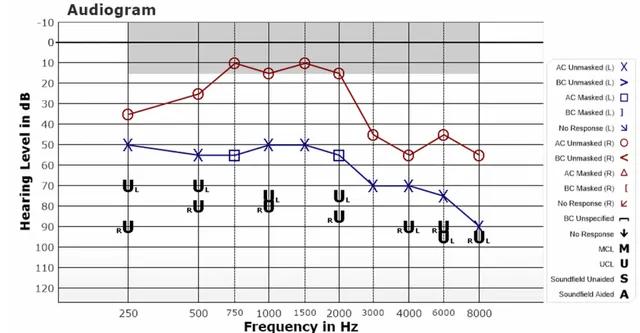
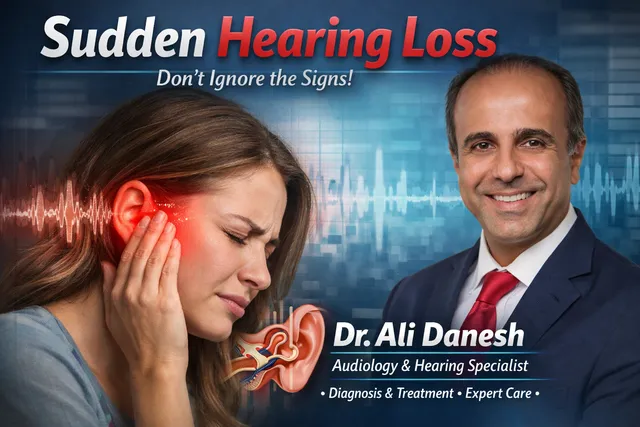
This lecture details the clinical approach to Sudden Sensorineural Hearing Loss (SSNHL), focusing on the rigorous steps required for accurate diagnosis and effective management. Dr. Ali Danesh along with Dr. William Andreassen prepared the presentation when he worked at Labyrinth Audiology and we acknowledge his contributions. Medical professionals utilize a battery of diagnostic tests, including blood work, urinalysis, and imaging, to identify underlying causes such as vascular issues or autoimmune diseases. While corticosteroids remain the primary treatment with proven efficacy, they can be administered through oral, intravenous, or intratympanic routes depending on the patient's needs. The source also highlights alternative therapies and specific pharmaceutical cases, such as the use of Hydergine or carbogen inhalation, for recovery. Finally, structured flowcharts illustrate the comprehensive evaluation process, which integrates patient history, audiological assessments, and long-term counseling. 

A logo depicting a child covering their ears next to a siren, headphones, and earplugs, labeled

19. Decreased Sound Tolerance and Hyperacusis in Autism Spectrum Disorders


This presentation by Professor Ali A. Danesh explores the high prevalence and impact of decreased sound tolerance disorders, specifically hyperacusis and misophonia, within the autism spectrum disorder (ASD) population. Research indicates that a significant percentage of individuals with autism experience heightened sound sensitivity, which may stem from neurological differencesanatomical variations in the auditory pathway, or genetic factors. These conditions often lead to intense emotional reactions, such as anger or irritation, and cause difficulties with concentration and social interaction in noisy environments. Clinical findings suggest that diagnostic tools like the Hyperacusis Questionnaire and physiological measures like otoacoustic emissions help identify these sensory challenges. Management strategies focus on habituation trainingsound therapy, and cognitive behavioral therapy to help desensitize the auditory system and reduce avoidance behaviors. Ultimately, the sources emphasize that educator awareness and family-centered interventions are essential for improving autistic individuals' daily lives and well-being.

Logo for

20. The impact of Misophonia in academic settings by Dr. Ali Danesh


In this presentation, Dr. Ali A. Danesh examines misophonia, a neurologically based disorder characterized by extreme emotional and physiological reactions to specific auditory triggers. The material defines the condition as a decreased sound tolerance disorder that can cause intense autonomic responses, such as increased heart rate and muscle tension. Research suggests that while the exact causes are still being studied, there may be genetic links involving chromosome 5 and high correlations with other conditions like ADHD and ASD. Because the disorder often emerges in childhood or adolescence, it can severely disrupt academic performance and lead some students to abandon their education entirely. Ultimately, the source highlights the necessity of providing formal accommodations for individuals struggling with these life-altering sensitivities in university settings.

Logo for

21. Human Vestibular System and its Disorders


This educational presentation by Professor Dr. Ali Danesh examines the human vestibular system, frequently described as our internal GPS for maintaining balance and orientation. The material details the complex anatomy of the inner ear, specifically how fluid-filled canals and specialized sensory hair cells detect head movement and gravitational changes. It explores essential neurological reflexes that stabilize our vision and posture during physical activity. The text also covers various clinical disorders, such as vertigo (BPPV) and vestibulotoxicity, alongside modern diagnostic bedside tests. Finally, it introduces therapeutic interventions like the Repositioning Maneuvers and highlights cutting-edgeresearch in AI-driven remote screening for balance issues.

Logo for

22. Objective and Pulsatile Tinnitus: Etiology and Clinical Overview, A presentation by By Professor Ali Danesh


This presentation by Professor Ali Danesh provides a comprehensive clinical overview of objective and pulsatile tinnitus, emphasizing that these conditions often stem from identifiable and treatable physical causes. While objective tinnitus involves sounds that an external observer can hear or measure, pulsatile tinnitus is characterized by rhythmic noises that typically synchronize with the patient's heartbeat. The material categorizes these symptoms into vascular, structural, muscular, and systemic origins, such as blood flow disturbances, middle ear muscle contractions, or metabolic changes like anemia. Because over 70% of cases have a specific underlying etiology, the text advocates for a systematic diagnostic approach involving clinical history, physical exams, and advanced imaging. Ultimately, the source serves as an educational guide for healthcare professionals to differentiate these rare subtypes from common subjective tinnitus to ensure proper medical intervention.

Logo for

23. Tinnitus: Ototoxicity and Medications


This lecture by Professor Dr. Ali Danesh examines the complex relationship between pharmacological agents and auditory conditions like Tinnitus. The presentation details how the cochlea and stria vascularis (a delicate part of the cochlea) function normally and how ototoxic medications, including certain antibiotics and chemotherapy drugs, can damage these delicate structures. While some corticosteroids are explored for their potential to restore chemical balances in the ear, the text highlights that official clinical guidelines often recommend against using pharmaceutical drugs for primary tinnitus management. Additionally, the source categorizes the severity of adverse drug reactions and provides resources for tracking how various supplements and repurposed medications affect hearing. Ultimately, the material provides an overview of how medical factors and chemical substances influence the central auditory pathway.

Logo for

24. Epidemiology and Management of Tinnitus and Hyperacusis


This presentation examines critical intersection of audiology and public health, specifically regarding the management and prevention of tinnitus and hyperacusisProfessor Ali Danesh emphasizes that public health systems aim to protect populations through preventative measures, such as controlling noise exposure and monitoring the progression of hearing disorders. The sources highlight that roughly 10% to 15% of adults worldwide suffer from tinnitus, a condition often linked to loud environments, aging, and the side effects of over 200 different medications. National initiatives like Healthy People 2030 set specific benchmarks to increase the number of patients seeking professional help from specialists like audiologists. Effective clinical management typically involves a combination of sound therapy, counseling, and cognitive behavioral therapy to improve a patient's quality of life. Ultimately, the text argues that while tinnitus is a complex medical challenge, it is a manageable condition requiring increased provider education and public awareness.

Logo for

25. Monitoring and Preventing Chemotherapy-Induced Ototoxicity


Here is Professor Ali Danesh's review on preventing hearing loss from ototoxic medications. His work examins ototoxicity, the phenomenon where specific medical treatments like platinum-based chemotherapy and aminoglycoside antibiotics cause permanent damage to the auditory and vestibular systems. The documents detail the critical role of audiologists in establishing monitoring programs that utilize high-frequency audiometry and otoacoustic emissions to detect early-stage hearing loss before it impacts speech frequencies. Beyond diagnostic protocols, the texts discuss emerging pharmacological interventions, such as sodium thiosulfate (Pedmark) and the investigational drug azasetron, which aim to shield the inner ear from chemical injury. Special emphasis is placed on pediatric populations, where hearing preservation is vital for linguistic and social development. The collection also reviews the significant quality-of-life challenges posed by secondary symptoms like tinnitus and balance disorders. Ultimately, the research advocates for a proactive, test-battery approach to balance life-saving medical care with the preservation of sensory function.

Logo for

26. Tinnitus: Public Health and Medical Management


This presentation by Dr. Ali A. Danesh examines the public health challenges and clinical management of tinnitus and hyperacusis. The material emphasizes that noise pollution is a primary cause of auditory damage, highlighting the Noise Control Act of 1972 and the necessity of hearing protection to prevent permanent cell death in the ear. While tinnitus affects diverse age groups, including children, the research suggests it is a manageable condition through various interventions like sound therapy, counseling, and hearing aids. Dr. Danesh reviews modern clinical studies to identify patient traits that predict successful treatment outcomes and explores innovative methods such as electrical stimulation and genetics. Ultimately, the sources advocate for an evidence-based, holistic approach to mitigate the functional and emotional impact of these hearing disorders.